Facelift surgery or Rhytidectomy – What is it? Am I a good candidate for facelift surgery? Explore the pros and cons..
Geoffrey Chaucer once said, “Time and tide wait for no man.”
If you think of it, there’s so much truth in it. We cannot stop time. One day, we look young and full of energy, the other day, time catches up, and it starts showing up on the skin. On one end, we can say we should embrace and accept how we look. But, at some point, we need to agree that for some people, how they look matters the most. Especially when it affects their work and confidence.
People can’t stop aging, but they can certainly control how they look. Especially with the advancement of modern science, like Facelift surgery, which can help one restore youth and confidence.
But is Facelift surgery worth it? If so, everyone should be using it to restore the youth. And if it’s worth it, what are the complications one needs to consider before using this? We will find answers to those and understand them better in this article.
Let’s first understand what this procedure is.
What is Facelift Surgery?
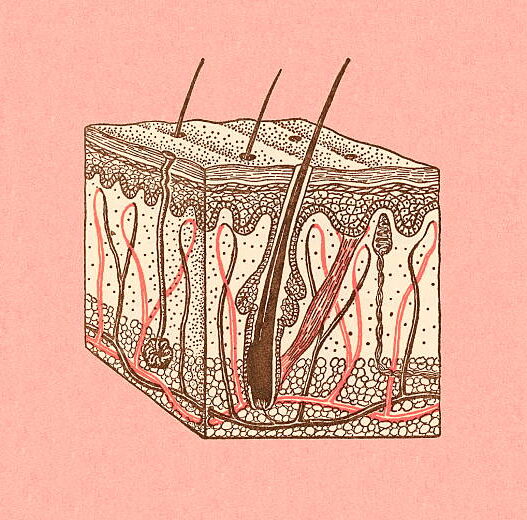
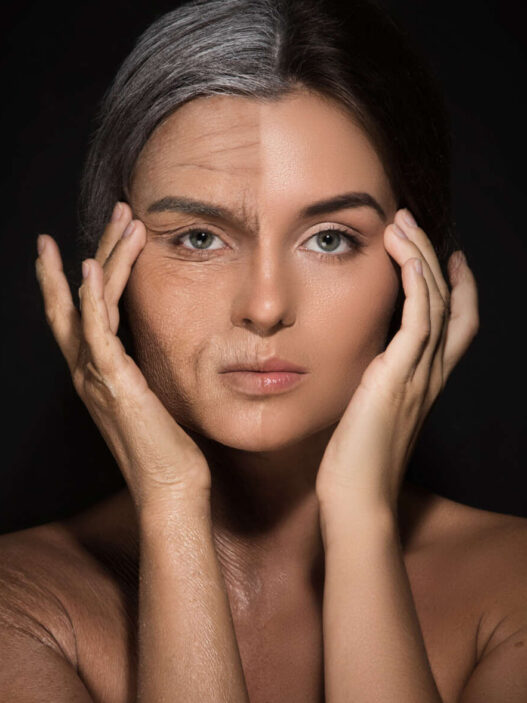
Over time, due to various reasons like food, sun exposure, chemicals, smoking, pollution, hormonal changes, inadequate sleep, etc., skin loses its elasticity.
Collagen – Which supports skin’s firmness, also reduces over time due to the above reason. Due to which, skin starts becoming wrinkly, loose, and saggy.
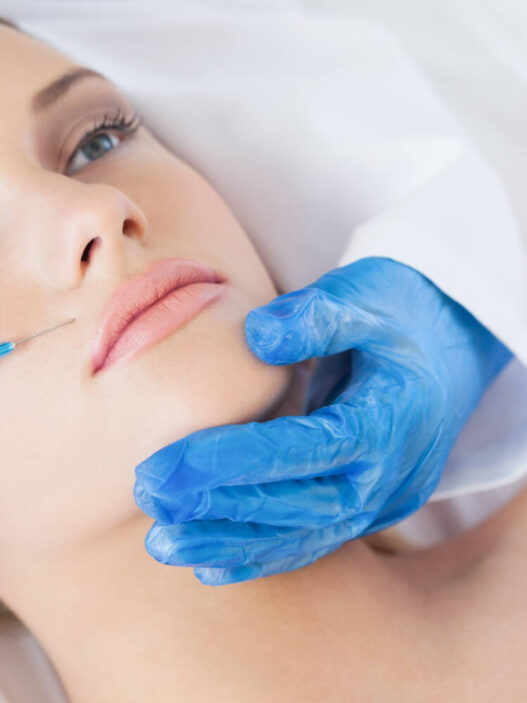
Facelift surgery, or rhytidectomy, is used to restore skin to its previous state. It’s a deeper correction of what aging does underneath the skin.
A facelift includes lifting and readjusting the deeper layer of the face (not just the skin), trimming excess skin, and smoothing out folds.
It focuses on areas like cheeks, neck, jawline, and midface, making it look firmer and more defined.
The superficial musculoaponeurotic system (SMAS) is a layer of tissue and muscle beneath the skin. By tightening, the surgeon creates a firmer foundation for the skin.
And the incisions are hidden along the hairline or behind the ears, to make it look clean.
The goal here is not to change the face; it’s just restructuring and skin tightening.
It’s becoming very popular among people from different age groups.
Who is a good candidate?
Facelifts aren’t for certain aged celebrities anymore. Yes, this is true that facelifts benefit celebrities a lot, especially with the opportunities or appearance they can have.
But according to the American Society of Plastic Surgeons, there’s a sharp increase in the need for procedures in people in their 40s and even 30s.
In 2023, ASPS showed that the 55-69 age group accounted for the maximum Facelift/necklift procedures, but there was 7% rise in facelifts in the 20-39 age group in recent years.
Probably due to newer techniques like “mini facelifts” & “threads” or social media influence of appearance and improvement trends.
Often, people don’t relate what they feel inside to the outside. A fresher appearance can be a confidence booster for some. So one reason could be alignment.
And this is not just a “female thing” anymore. Men’s facelifts grew 17% in 2023.
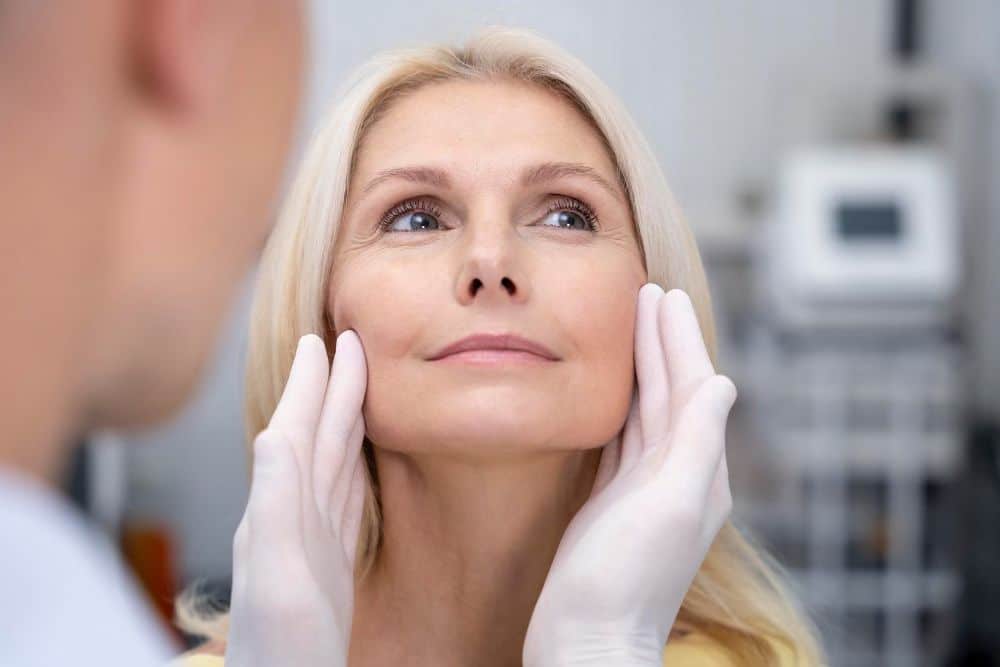
Those who have jowling, loose skin, and are ready to focus on good skin health can opt for the procedure.
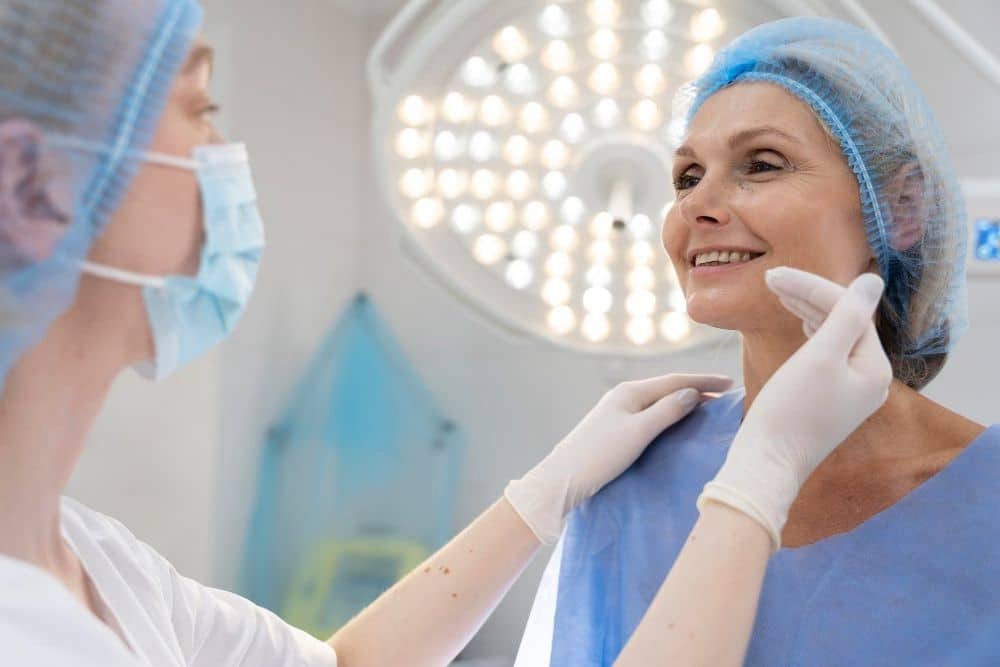
Type of Facelifts
A surgeon may suggest the type of facelift that is needed. It could also vary according to age and requirements.
Traditional Facelifts
Traditional facelifts require longer incisions, which begin at the hairline, around the ears, and sometimes under the chin. It lifts deeper tissue, repositions fat, tightens muscle layers, and removes extra skin. This procedure may take 3-5 hours.
Mini Facelifts
It is ideal when there are early signs of aging, like mild jowls, subtle sagging in mid face. It requires smaller incisions and recovers quickly, but still takes 1-2 hours.
Neck Lift
This procedure is very specific for the neck, especially when there’s excessive fat around the neck. The time required is still 1-2 hours.
Costs and global trends of facelift surgery
If we look geographically, the USA and Brazil lead in the most facelifts. This is followed by Japan, China, India, and South Korea. Countries like Mexico, Turkey, Syria & Thailand attract most medical tourists for the procedure due to cost effectiveness.
Typically, cost may depend on the service and benefits given. You may find a cheaper procedure at some places, but most of the time, the surgeon’s experience, facilities, and care are not properly clarified.
In Asian countries, the procedure is considered cheaper, but overall pricing and quality may vary.
Longevity of Facelifts
Till now, this is clear that facelifts reset the clock by tightening and repositioning tissues. But it can’t stop time or prevent future changes.
There are certain factors and observations that one needs to be mindful of even after a successful procedure to maintain and prolong the results.
Reduction in Collagen and Elastin
Our body’s natural production of collagen and elastin will reduce with age. This means the skin will gradually lose its firmness and elasticity over time.
Volume loss
Aging also involves a gradual loss of facial fat and even bone resorption in the facial skeleton.
Gravity
Over time, its constant pull will contribute to the gradual descent of facial tissues, even those that were lifted and secured during the facelift.
Lifestyle Factors
UV Exposure
UV exposure remains the primary accelerator of skin ageing. It breaks down collagen and elastin, which can lead to pigmentation and wrinkles. Need to follow the sunlight guideline suggested by the surgeon.
Smoking
It restricts the blood flow to the skin and damages collagen and elastin. This can rapidly increase the aging and compromise the health of the skin (even after the facelift surgery).
Poor diet and Dehydration
Lack of proper nutrients and insufficient hydration can compromise skin health and its ability of self-repair. Dry skin or any irritation needs to be kept in mind.
Weight fluctuation and Hormonal imbalance
Large weight fluctuation can stretch the skin and may affect the surgery results.
Skin quality and texture
This is true that facelifts address sagging. It can’t improve the surface quality of the skin. Like skin tone, sunburn, or any patches. These will continue to evolve over time.
Genetics
Under no circumstances facelifts can change the genetics. These things will remain the same and may affect the procedure.
This is very clear that facelifts are not permanent. Over time, wrinkles will appear, and the face will lose its elasticity.
Cosmetic surgeons remind that a facelift is a long term commitment. Skin will age naturally again, a better care will ensure the success of the procedure.
This acts like a rewind and not a stop.
Recovery and Considerations
Facelift surgeries, whether traditional or mini, involve some complications. It carries some risks, as with any other surgery.
According to UK health sources, bruising is visible for 2-3 weeks, and it could take 6-9 months to see the full effect of a facelift.
It will be common to have a numb face and swelling, stiffness, and pain.
Even though treatment is done under general anaesthesia, pain remains for a few days. It can even affect the mood and may cause depression
Long term side effects may include hairline changes and scars.
In some rare cases, hematoma can be seen. This means blood collecting under the skin. Some very rare cases may include asymmetry, which is why it’s always suggested to see a qualified surgeon.
Conclusion
Facelifts aren’t about chasing youth. There are multiple reasons why people get them. But one common reason is how people want the world to see themselves.
So whether it’s redefining the jawline, lifting up the cheeks, or matching the inside with the outside, facelifts give all that options.
With such advancements, facelifts have become yet another way to take care of yourself.
If you are considering it, make sure you research more about it. Consult a qualified surgeon and choose the best for yourself.
Choose the best for you always.
Sources
- https://www.nhs.uk/tests-and-treatments/cosmetic-procedures/cosmetic-surgery/facelift/.
- https://www.mayoclinic.org/tests-procedures/face-lift/about/pac-20394059.
- https://www.psychologytoday.com/us/blog/dissecting-plastic-surgery/202104/the-psychological-impact-facelift.
- https://www.plasticsurgery.org/news/articles/facelift-fundamentals-types-techniques-and-transformations.
- https://www.isaps.org/discover/about-isaps/global-statistics/global-survey-2023-full-report-and-press-releases/.