Looking for a healthier, brighter smile without constant trips to the dentist? By making small changes to your daily habits, you can dramatically improve your oral health. This guide walks you through practical, easy-to-follow steps that help protect your teeth, gums and overall well-being, starting today. So, here is how to improve your oral health with simple daily habits.
Let’s face it, your smile is one of the first things people notice about you. But beyond aesthetics, the health of your teeth and gums plays a major role in how you feel, eat and even speak. That’s why developing a consistent daily routine for oral care isn’t just a good idea, it’s essential.
You don’t need fancy gadgets or endless appointments to make a difference. With the right techniques, a bit of consistency and some help from a local dentist in Omro WI, or wherever you live, you can transform your oral health from “meh” to magnificent. Let’s walk through how.
Brushing Is Not Just About Frequency
You probably already know the rule: Brush twice a day. But have you ever stopped to think about how you brush?
It’s easy to go on autopilot and scrub away quickly, but doing it right makes all the difference.
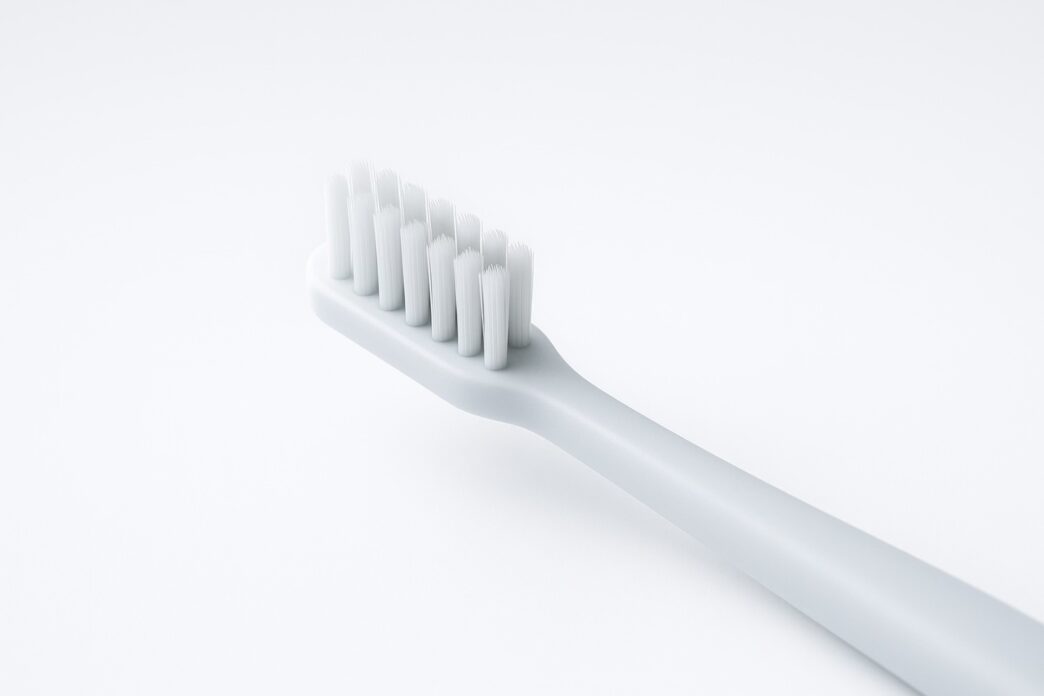
Here’s how to brush like a pro:
- Use a soft-bristled brush to protect your enamel and gums.
- Hold the brush at a 45-degree angle to your gum line.
- Brush for at least two minutes, covering all areas of your mouth, front, back and chewing surfaces.
- Use gentle circular motions, not aggressive scrubbing.
Think of your mouth like a four-room apartment. Spend around 30 seconds in each “room” (or quadrant) to get it truly clean.
If you haven’t tried an electric toothbrush yet, now might be the time. A 2014 study published in the Cochrane Database found that people who used electric toothbrushes had 11% less plaque and 21% less gum inflammation after just three months compared to manual brushers. That’s a big difference for something so simple.
Bonus tip: Brushing after lunch (when possible) adds another layer of defense. Just make sure to wait 30 minutes if you’ve had something acidic like citrus or soda, your enamel will thank you.
Don’t Skip Flossing (Even If You Hate It)
Let’s be honest, flossing isn’t most people’s favorite part of oral hygiene. But it’s non-negotiable if you want to keep your gums happy and your dentist off your back.
Flossing does what brushing can’t. It gets between your teeth where bits of food and plaque love to hide. That leftover popcorn kernel from movie night? It’s probably still in there unless you flossed it out.
Here’s what you should do:
- Use about 18 inches of floss and wind most of it around your middle fingers.
- Gently slide it between your teeth and curve it into a C-shape.
- Don’t just pop it in and out; make sure to glide it against the tooth’s side.
If traditional floss isn’t your thing, try:
- Floss picks (super convenient!)
- Interdental brushes (especially good if you have wider gaps)
- Water flossers (ideal for braces or sensitivity)
One dental hygienist once said to me, “Skipping flossing is like washing only three-quarters of your face.” Let that visual sink in next time you think about skipping it.
Tongue Cleaning is an Overlooked Hero
Your tongue harbors bacteria, too. If you’ve ever woken up with dragon breath despite brushing the night before, your tongue might be the culprit.
Daily tongue cleaning helps:
- Reduce bad breath.
- Improve your sense of taste.
- Lower the amount of harmful bacteria in your mouth.
Use a tongue scraper (you can get one for a few dollars) or the back of your toothbrush. Scrape gently from the back to the front a few times. Don’t be surprised by what comes off; it’s perfectly normal.
Even better? Regular tongue cleaning can actually improve digestion by enhancing your ability to taste and enjoy food properly, which in turn affects how well your digestive system responds.
Build A Routine That Sticks
Think of oral care like going to the gym: Consistency beats intensity. Brushing once like a superhero won’t undo weeks of neglect.
Make your routine easy and repeatable:
- Brush twice a day (and after lunch if possible).
- Floss once a day, ideally before bed.
- Clean your tongue daily.
- Use fluoride toothpaste and rinse if recommended.
- Stay hydrated to promote saliva flow.
- Visit your dentist every 6 months.
If you’re tech-savvy, set reminders on your phone or download an app like Brush DJ to make things more engaging. It might sound silly, but tools like that help people stick with it.
And remember: When your oral care becomes a habit, it feels less like a chore and more like a natural part of your day, just like washing your face or making your morning coffee.
What You Eat Affects Your Teeth Too
Your diet is a secret weapon (or silent saboteur) in oral health.
Here’s what helps:
- Calcium-rich foods (like cheese, yogurt and leafy greens) to strengthen enamel.
- Vitamin D (think eggs and fatty fish) helps absorb calcium properly.
- Crunchy fruits and veggies (like apples and carrots) help clean your teeth naturally.
And what to avoid:
- Sugary snacks and drinks (they feed plaque-producing bacteria).
- Sticky candies (they cling to enamel and fuel decay).
- Acidic drinks like soda and wine (they wear away enamel).
According to the CDC, nearly 26% of adults in the U.S. have untreated tooth decay, much of it preventable with better diet and daily care.
It’s not just what you eat, but when and how. Snacking late at night, especially without brushing afterwards, gives bacteria a full night to feast on leftover sugars. Try to finish eating at least an hour before bed, and opt for a final rinse or brush to protect your enamel overnight.
Also, be mindful of how often you snack. Frequent nibbling creates constant acid attacks on your enamel. Try limiting snacks to defined times and always rinse with water afterwards if brushing isn’t possible.
Why Seeing A Dentist Still Matters
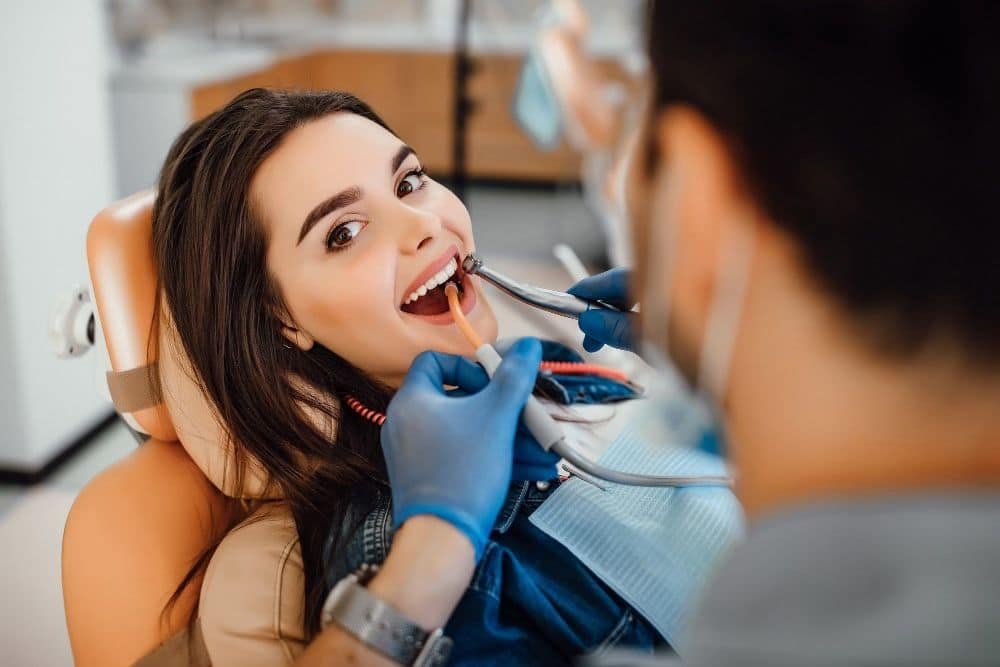
Even with the best habits, you’ll need a professional to check in now and then.
Your dentist can:
- Spot issues before they become painful or expensive.
- Provide custom advice (especially if you have braces, implants or gum issues).
- Offer deeper cleanings that remove tartar your brush can’t touch.
Ever heard someone say, “I didn’t know I had a cavity, it didn’t even hurt”? That’s the danger of skipping dental checkups. By the time it hurts, the damage may already be significant.
You might think your routine is flawless, but a dentist can show you areas you’re missing or habits to tweak. Even a minor adjustment, like switching toothpaste or using a specific floss, can make a big impact.
And if something feels off, like bleeding gums, persistent bad breath or unusual sensitivity, don’t wait. Early action can prevent major procedures later. Consider your dentist not just a fixer, but a partner in your overall health journey.
Disclosure – This is an external post and the views expressed are of the sponsor/author/third party and not of Healthieyoo’s editorial team. We disclaim any and all liability to any party, company, or product for any direct, indirect, implied, punitive, special, incidental, or consequential damages arising either directly or indirectly due to the use of content published in this article. The publishers of this website take no responsibility for any health issues, personal injury, death, disability, or any other harm due to the content on our website or any advice or opinion expressed on our website. Please consult your healthcare professional before making any decision related to your health. Please also read our medical disclaimer”.