
Sorghum is a nutrient-rich ancient grain gaining popularity in modern diets and for good reasons. Let’s explore sorghum’s nutritional profile, its wide-ranging health benefits, and answers to questions like “Is sorghum gluten-free?”, “What is sorghum used for?”, “Why is sorghum considered a modern supergrain?”.
Sorghum, though an old-age ancient grain with roots in Africa and Asia and also Central America, is now trending as a modern grain in 2025. Over the years, the popularity of this grain spread through the Middle East, USA and European countries. Previously, its use was limited to feeding livestocks. However, Sorghum is now emerging as a trending health food and supergrain worldwide for humans because of its nutritional profile. So, what exactly is Sorghum? Why suddenly it has become popular among health and nutrition conscious people?
What Is Sorghum?
Sorghum, scientifically Sorghum bicolor, is a whole food cereal grain. Along with popular wheat, rice, maize, and barley, it is one of the five major cereal crops in the world. Sorghum’s most unique characteristic is its excellent versatility. It can grow where other grains will not survive because it can be grown in any climate,with even a little amount of water and poor quality soils.
Sorghum Varieties
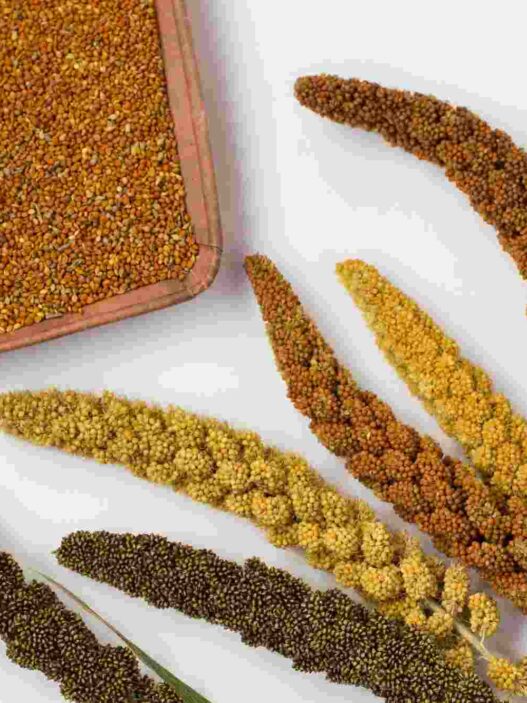
There are multiple varieties of sorghum – Black sorghum, white sorghum, yellow and red sorghum. The darker varieties such as red or purple sorghum have more potent antioxidant potential.
Is Sorghum Gluten Free?
One of the most common questions about sorghum, the supergrain, is: “Is sorghum gluten free?” The answer is Yes – Sorghum is a naturally gluten-free. This makes it an ideal substitute for wheat, barley, and rye. This is particularly important for people with celiac disease, gluten intolerance, or non-celiac gluten sensitivity.

Sorghum is gluten free because sorghum does not contain the proteins called gliadin or glutenin that triggers immune response in gluten-sensitive individuals or those suffering from celiac disease. For knowing more about celiac disease, refer here.
One of the concerns is that facilities that handle both gluten-containing and gluten-free grains may have some cross contamination. Hence it is possible that there are chances of traces of wheat, barley etc in facilities that stores both. Therefore, before purchasing sorghum, it is crucial to look at the label or certification regarding its being gluten free.
Supergrain Sorghum’s Nutritional Power
In addition to being gluten-free, supergrain sorghum is high in fiber and protein, making it a healthy choice for individuals looking to maintain blood sugar levels or improve digestion.
As per the US Department of Agriculture, Sorghum grain is about 72% carbs including 7% dietary fiber, 11% protein, 3% fat, and 12% water (1, 2).
Here is the nutrition profile of whole grain Sorghum:
High fiber
Sorghum contains higher amount of dietary fiber than most common grains. A single cup of cooked sorghum can provide approx. 12 grams of fiber which helps in promoting satiety, controlling blood sugar, and improving digestion.
High Protein
Sorghum contains approx. 10–12 grams of protein per cup. Hence, it can be considered as a good protein source for vegetarian and vegan diets.
Vitamins and Minerals
Sorghum contains several vitamins and minerals including iron, magnesium, potassium, phosphorus and B vitamins.
Antioxidants And Phytonutrients
Sorghum contains several polyphenols, mainly flavonoids, anthocyanins etc. which are powerful antioxidants.
As we can see from above, sorghum is more than just a gluten-free alternative; it’s a nutrient-dense supergrain that can support your overall health. Its nutritrional profile is best among all the cereal grains (3, 4).
Supergrain Sorghum Health Benefits
As we have seen above, Sorghum is a powerhouse of nutrition and hence it can offer several health benefits. The evidence from several human studies have confirmed multiple health benefits of Sorghum which are listed below (5):
Helps lower blood sugar
Both experimental studies and human studies have confirmed the potential of sorghum in lowering blood glucose. This is mainly attributed to prolamin protein which slows starch breakdown which results in sustained glucose release and less postprandial spike (3).
Improves Lipid Profile
It lowers lipid levels in experimental studies. Further, it reduces total cholesterol, LDL, HDL and TGs and hence can potentially have positive effects on heart health but only few human studies have confirmed the same.
Supports Weight Management
Sorghum supports weight loss and promotes satiety thereby helping in weight management and prevention of weight gain. This was evident from experimental studies where animals who were fed whole grain sorghum feeds showed reduced weight gain. The tannins in sorghum could possibly be responsible for the same. Similarly, in clinical studies too, adult overweight participants on whole grain sorghum exhibited significant weight loss.
Rich in Antioxidants
Sorghum, particularly the red variety, is rich in polyphenols, carotenoids, anthocyanins and tannins that are well known for antioxidant and anti-inflammatory properties. Clinically too, Sorghum has demonstrated improvement of oxidative stress markers when tested.
Sorghum May Prevent Cancer
Some evidence have shown that those population who have been taking long term Sorghum have reduced incidence of oesophageal cancer. Few studies on have shown this potential in cell lines (5).
Sorghum Uses – What is Sorghum used for?
The versatility of supergrain sorghum is truly impressive. Here’s a breakdown of the major uses of sorghum:
Whole Grain Sorghum
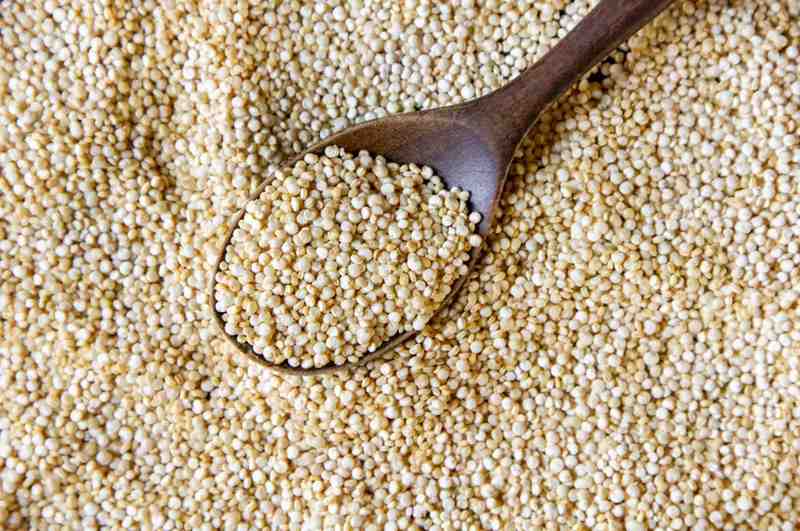
It is used as a whole grain simply like other grains. One can cook it like rice or quinoa and use it.
Sorghum Flour
Sorghum flour can be used for Gluten-free meals and can replace traditional flour. It can be used in baking as breads, cakes, etc.
Popped Sorghum
Popped sorghum is healthy snack like tiny popcorn.
Sorghum Syrup
Sorghum syrup is used as a sweetener in modern cooking as a nutritious alternative.
Alcohol Plants
It can also be used to make alcoholic beverages including beer in some countries. It has traditionally been used in growing number of ethanol plants.
Animal Feed And Livestock
Sorghum supergrain is used commonly to feed livestock.
Biofuel And Energy Production
Sorghum is also used in bioenergy because of its high sugar content and ability to grow in arid climates, making it ideal for producing ethanol and biomass energy.
Conclusion
Sorghum is far more than just a gluten free alternative. It is a nutritional powerhouse full of fibre, protein and antioxidants, hence truly a supergrain. Despite its excellent nutritional profile and health benefits, awareness on its use as a food is limited. The bioactive constituents in sorghum have potential health benefits for blood sugar, weight, cholesterol and inflammation.
The food using sorghum flour has around 7 times higher antioxidant activity when cooked as compared to other grains. Hence, supergrain sorghum shows significant potential as a healthy food and is trending among fitness conscious individuals and kitchens. It is an underrated supergrain that deserves more attention. Moreover, which other cereal grain is so nutritious dense?
Sources