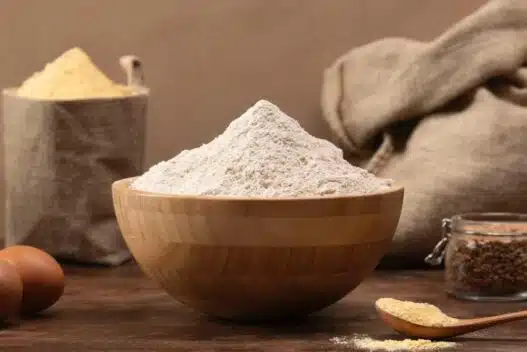

In our previous blog, we have discussed about what sorghum is, it’s nutritional power and multiple health benefits. Here we will emphasize on the applications of Sorghum flour in gluten-free baking. As more and more people are getting glucose intolerance and becoming gluten sensitive or suffering from celiac disease or non-celiac gluten sensitivity, sorghum flour is celiac friendly and becoming a popular alternative to wheat. In addition, health enthusiasts and chefs are now incorporating sorghum flour as a healthy gluten-free nutritious grain for the nutritional needs and restaurants are serving sorghum flour based foods.
What Is Sorghum Flour?
Sorghum flour is one of the sorghum’s most popular form. It is a gluten-free staple diet for home cooking and professional bakers.
As more and more people explore gluten-free diets, this flour is becoming a popular dietary component. It is milled from whole grain sorghum and following are its characteristic features.
Sorghum Flour: Characteristic Features
The properties and characteristic features of Sorghum flour are:
Water absorption and Retention
It can absorb water well and hence it can be used for hydrating the food. Baked goods remain moist due to its water retaining property. Further, whole grain sorghum flour retains the bran and germ thereby boosting its nutritional profile. Additionally, Sorghum can be frozen and reheated without any worry of losing taste.
Binding
Water absorbing property also makes it a good binder for food. The protein present in sorghum flour also helps in binding and stabilising food. Usually, it is combined with gums and starches in baking.
Fat and Oil Absorption
It can absorb and retain fats, oils, emulsifiers and hence Sorghum flour plays an important role in bakery. Due to this property, it can increase the softness and life of breads and cakes etc.
Nutritional Composition of Sorghum Flour
This flour is rich in nutrition. It is an excellent source of various nutrients including fibre, amino acids, fatty acids, vitamins, minerals, and bioactive components (1).
The minerals and vitamins present in Sorghum flour are:
Minerals
Calcium, Iron, Magnesium, Phosphorus, Potassium, Sodium, Zinc, Copper, Manganese, Selenium
Vitamins
Vitamin C (ascorbic acid), Vitamin (thiamine), Vitamin (Riboflavin), Vitamin (Niacin), Pantothenic acid, Vitamin B6, Folate, Vitamin E, Vitamin K
How To Bake With Sorghum Flour?
For making this, grind sorghum grain to make a fine powder and use as a replacement to wheat flour.
No.
Because sorghum flour lacks gluten, you just can’t simply substitute it for wheat flour. You will have to use a blend of gluten-free flours and a binding agent like xanthan gum or guar gum.
The blend works well for cookies, pancakes, muffins, and quick breads. For yeast-risen baked goods, additional experimentation may be required to perfect the structure.
A Basic Sorghum Flour Blend:
- 1 cup sorghum flour
- 1 cup tapioca starch
- 1 cup brown rice flour
- 1 tsp xanthan gum
In this blend, you can use sorghum flour (50%), rice flour (30%), tapioca starch (20%), and xanthan gum (1 tsp per cup of flour). Mix thoroughly for optimal dough behaviour and better texture.
Culinary Applications
The culinary applications are:
- Gluten-Free Baking: breads, muffins, pancakes, waffles.
- Thickening Agent: soups, stews, gravies.
- Breading/Coating: adds crisp crunch to meats and vegetables.
- Modern Alternatives: crackers, tortillas, cookies, and more.
- Replacement to wheat and bran: Sorghum flour and flaked bran can be used. The bran is crunchy like granola.
- Popped Sorghum: Crunchy pops can also be used.
- Other: Sorghum can be cooked in various forms, including porridge, alcoholic drinks, bread (gluten-free bread), and baked in Sudan in a thin form called Kissra bread.
Why Use Sorghum Flour?
- Sorghum flour is naturally gluten-free, making it safe for those with gluten-related disorders like celiac disease or non-celiac gluten sensitivity.
- It’s full of nutrients, high in fibre, protein, vitamins, minerals like zinc, selenium, copper and antioxidants. Dark color grains have more antioxidant or free radical scavenging effects.
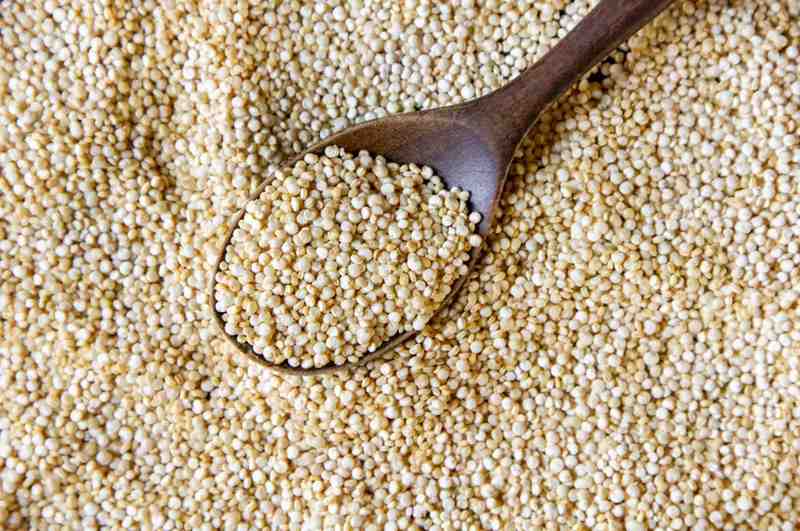
- Sorghum makes an excellent source of plant-based protein for vegetarians and beats quinoa by making more than two times protein.
- It enhances the texture of baked goods, making them soft.
- Its taste go well with other gluten-free flours like rice, almond, or coconut flour.
- It slows carbs absorption hence prevent glucose spike, because of low glycemic index, it is beneficial for people suffering from diabetes or those who are obese.
Top Restaurants and Chefs Serving Sorghum Flour
- Sorghum and Salt in Charleston, SC
- Restaurant Marc Forgione (New York, NY)
- The Attic, Long Beach serving Biscuits and Sorghum Butter
- Red Sorghum, Chinese Restaurant in Long Island City, NY
- Chase Obenchain – Corporate Chef Consultant for United Sorghum Checkoff Program
Conclusion
Sorghum flour, a nutritious wholesome gluten free flour with multiple health benefits. As more and more people ditch gluten for overall well-being, sorghum offers a reliable, alternative. It brings softness, and nutrition to baked goods without compromising on taste or texture on freezing or reheating. So, switch to this awesome gluten-free nutritious alternative for healthy living.