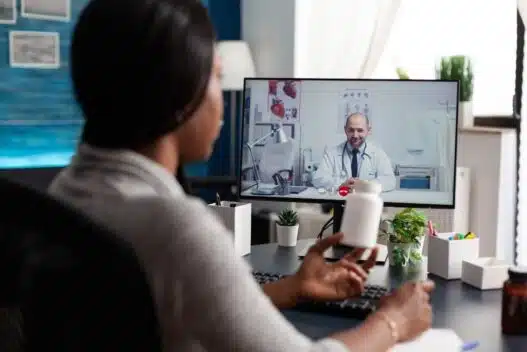

Since becoming a pillar of the global healthcare system, telehealth has helped millions of people make better lifestyle decisions.
Healthcare has improved significantly since technology entered the fray, with medical professionals now able to keep track of their patients through video calls, apps and wearable devices.
Telehealth brings healthcare to people at their own convenience. This factor has made it the most in-demand healthcare service around the world as it helps people maintain healthy lifestyles.
In some countries, public services have helped to make telehealth a cornerstone of healthcare, although coverage still varies by region.
Private telehealth platforms such as DoctorsOnDemand have flourished in Australia, helping to bridge the gap in access to high-quality care.
It has also helped to strengthen the relationship between patients, providers and specialists. Read on as we discuss how telehealth is helping people maintain healthier lifestyles.
Bringing Healthcare to the Doorstep of Americans
Telehealth has become a mainstream tool backed by public health programmes in the United States, although it is still largely fragmented.
The Centres for Medicare & Medicaid Services (CMS) played a huge role in bringing telehealth to its current status by expanding coverage for virtual visits during the pandemic.
That made it easier for older adults and others, especially those in rural or remote communities, to connect with doctors at their own convenience.
The US has been working towards making healthcare more equitable. Rural clinics often use telehealth to connect local medical professionals with specialists in urban hospitals.
Telehealth has helped people in the US live healthier lifestyles by making healthcare far more accessible, convenient and proactive.
The elements which previously made patients think twice about meeting up for a doctor’s appointment have been taken out of the equation.
Americans no longer have to worry about how far away they are from a medical facility, how much it will cost to make the trip, or how to squeeze their appointment into their busy schedules.
Being able to access medical advice on the go has encouraged more Americans to check in regularly and seek help early when there is a problem.
Private Platforms are Keeping Australians Fit & Healthy
Telehealth has been the backbone of the Australian healthcare system for several years now.
DoctorsOnDemand is one of the leading providers. This impartial DoctorsOnDemand review highlights how the platform has revamped the healthcare experience for patients.
It is in high demand for patients looking for convenient and flexible access to healthcare. Unlike the US where public service is in the driving seat, Australians have turned to private providers such as DoctorsOnDemand because they fit seamlessly into their busy lives.
DoctorsOnDemand also offer services that provide mental health counselling, which helps Australians live and maintain a healthier lifestyle.
They offer prescription refills and health advice that prevent patients from falling ill, which allows people to weave healthcare into their daily routine.
Instead of waiting for people to fall seriously ill, DoctorsOnDemand encourages all their patients to check in on a regular basis and make the necessary lifestyle adjustments.
For example, patients managing their weight or cholesterol levels can schedule regular virtual appointments with a nutritionist or a general practitioner.
These little steps help patients take accountability and stay on track with their own health goals.
Taking Healthcare Seriously via Technology
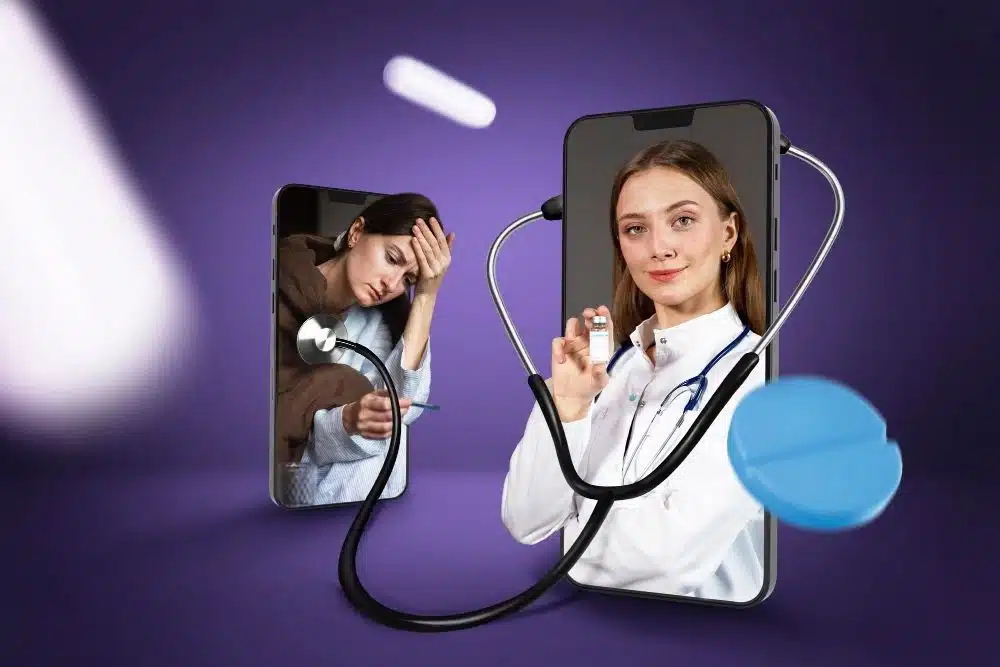
Telehealth uses digital communication tools such as computers, smartphones, wearable devices and mobile apps to deliver care remotely.
Patients can consult any medical practitioner of their choice through video calls.
There are now devices that track vital signs, such as heart rate, blood pressure or blood sugar levels, which are sent in real-time to a care team.
There are also apps that record daily activities, set medication reminders, or keep track of how well a patient sticks to their diet. Secure online systems allow people to request test results, prescription refills or schedule appointments.
What makes telehealth an indispensable part of the healthcare sector is its ability to blur the lines between medical care and everyday life.
Healthcare was previously restricted to land-based facilities, but it has become a continuous process supported by data, communication and easy access to medical professionals.
It would be misleading to say that telehealth solves every problem. It cannot completely replace in-person care, and it was never developed to do so.
The primary goal of telehealth was to bolster the healthcare system. Patients who need physical exams, imaging tests and surgeries still need to visit medical facilities.
However, telehealth has undoubtedly proven its worth in helping people maintain a much healthier lifestyle.


