

Introduction: The Invisible Mandate of Self-Care
In today’s wellness era, taking care of oneself has become a complex task, loaded with mandates, metrics, and promises. What was once a personal pursuit has turned into a social obligation, a performance race, a showcase of validation. This article invites a more ethical, situated, and honest conversation about what it truly means to be well.
Belonging: The Bond That Regulates The Body
Wellness is not just an individual experience, it’s a relational one. The sense of belonging, feeling part of something, seen, valued, is a physiological variable, not merely emotional. Social neuroscience shows that exclusion activates the same brain circuits as physical pain. Loneliness doesn’t just hurt, it dysregulates the immune system, disrupts sleep, and raises cortisol levels.
Belonging shapes how we perceive health, how we adhere to self-care practices, and how we sustain routines without guilt. It’s not about having connections, but about whether those connections are meaningful, safe, and supportive.
“Here, I don’t have to explain who I am. They recognize me without me saying a word.”

— Amina, migrant in Berlin
In clinical settings, patients with strong support networks show better outcomes, even when treatments are identical. The body responds not only to what is done to it, but to how it is accompanied. Relational wellness isn’t optional, it’s foundational.
Fitness: The Body As A Partner, Not A Project
The fitness discourse has colonized bodily wellness with a performance mindset. The idea that “giving your all” equals health ignores the fact that not all bodies respond the same, nor do they share the same goals. This narrative turns the body into a project, a battlefield, a site of correction.
But the body isn’t a machine to be optimized, it’s a complex system that regulates itself through listening, not through pressure. Wellness fatigue emerges when movement is imposed as a mandate, not embraced as a need.
“It wasn’t my body that failed — it was the protocol that refused to listen.”

—Lucas, 42
Physical activity can be restorative or destructive, depending on context, rhythm, and the relationship with one’s own body. Bodily wellness isn’t measured in calories burned or reps completed. It’s built through adaptation, rest, and internal validation.
Nature: The Environment That Regulates Without Demanding

Contact with nature isn’t a luxury, it’s a biological necessity. Biophilia, our innate affinity for living environments, activates regulatory processes that no gym or app can replicate. Research shows that natural settings reduce cortisol, enhance immune function, improve sleep, and restore attention.
Nature offers what urban environments cannot, judgment-free silence, pressure-free rhythm, presence without performance. It’s a space where the body can simply exist, without needing to prove anything.
“It’s not exercise — it’s oxygen. It’s silence. It’s returning to myself.”

—Sofia, executive in New York
Environmental wellness isn’t about “going for a walk” as a protocol, it’s about reconnecting with a space that regulates us without demanding output. Earth, water, and air don’t ask for performance, they offer support.
Intervening Variables: Distortions of Wellness
Information overload
Too many options, too many metrics, too many protocols. The excess of advice creates paralysis, guilt, and distrust in our own perception. The body stops being a source of knowledge and becomes an object of surveillance.
Body image
Normative aesthetics impose unattainable standards that distort our sense of health. The body becomes a showcase, a visual project, a site of external validation.
Structural inequality
Wellness is marketed as universally accessible, but in practice it’s shaped by time, money, and environment. In vulnerable contexts, self-care isn’t routine, it’s resistance.
Closing: Wellness As A Situated Practice
Wellness fatigue isn’t a personal failure, it’s a structural consequence. This article doesn’t offer a new formula, but seeks to restore wellness as a human, relational, and environmental practice. To recognize that wellness lives in the bonds that hold us, in the body that speaks to us, in the land that embraces us. And also in the pause, in the silence, in the right not to optimize everything.
Because caring for oneself shouldn’t hurt. And for wellness to be real, it must begin by listening.
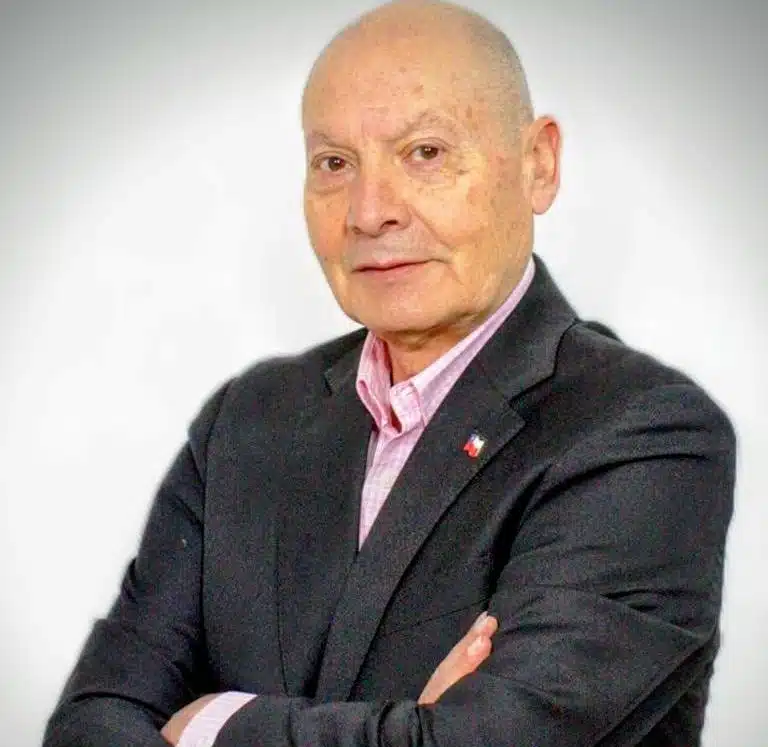
Professor Dr. Edgardo Molina-Sotomayor is a researcher, scientific editor, translator, and critic of physical health interventions. His work is defined by a rigorous, ethical, and provocative lens that challenges reductionist narratives and promotes individualized, reproducible, and culturally adapted practices. At the intersection of science, language, and philosophy, he advances an editorial approach that elevates both the content and the people behind it.


